The Add Don't Subtract Mindset for Better Nutrition

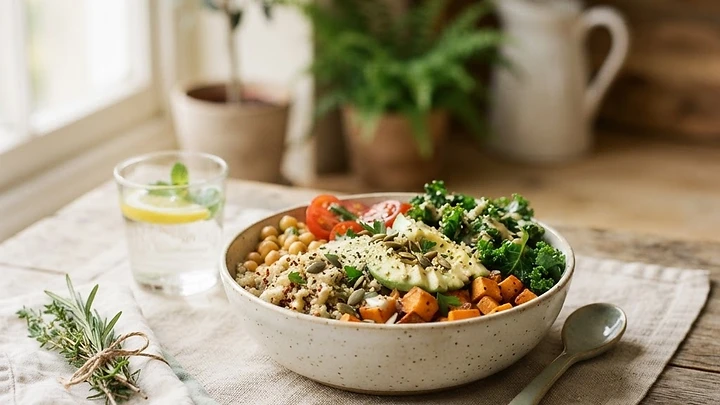
Forget about what you can't eat. Discover how adding fiber, protein, and color to your existing meals creates a sustainable and enjoyable path to wellness.
The Problem with the 'Subtraction' Mentality
For decades, the standard advice for improving nutrition has focused almost entirely on what to take away. We are told to cut out sugar, eliminate carbs, or ditch our favorite snacks. While reducing ultra-processed ingredients is generally a good goal, starting with subtraction often leads to a 'scarcity mindset.' This makes us feel deprived, hungry, and eventually, more likely to overindulge in the very things we tried to banish.
At CraveScan, we believe wellness should be about abundance and curiosity rather than restriction. That is where the 'Add, Don't Subtract' method comes in. Instead of focusing on what to remove from your plate, focus on what you can add to make the meal more nutritionally complete. This simple shift in perspective can transform your relationship with food and make healthy eating feel like a win rather than a chore.
How to 'Add' Your Way to a Better Meal
The goal of this method is to increase the nutrient density of whatever you are already eating. When you add fiber, healthy fats, or protein to a meal, you slow down digestion, balance blood sugar, and stay full for longer. Here are three ways to put this into practice:
1. Boost the Fiber
If you are craving a bowl of creamy pasta, don't tell yourself you can't have it. Instead, ask, 'What can I add to this?' Tossing in two cups of baby spinach, some sautéed zucchini, or a handful of frozen peas adds volume and essential micronutrients without changing the core flavor of the dish you love. The fiber in the vegetables will also prevent the 'carb crash' often associated with plain pasta.
2. Prioritize Protein Pairing
Love a morning bagel with cream cheese? It is a classic comfort food, but it can leave you hungry by 10:00 AM. Try adding a source of protein and healthy fat. A few slices of smoked salmon, a hard-boiled egg, or a scoop of hemp seeds can turn a simple snack into a sustained fuel source. Using your CraveScan app can help you identify which toppings offer the highest protein-to-calorie ratio to keep you satisfied.
3. The 'Color' Rule
When you look at your plate, look for a lack of color. If everything is brown or white (meat, potatoes, bread), you have an opportunity to add. Adding a side of berries to your pancakes or a handful of microgreens to your pizza provides antioxidants that help your body fight inflammation.
The Psychology of Crowding Out
The 'Add' method works because of a concept called crowding out. As you fill your stomach with high-fiber vegetables, lean proteins, and hydrating fruits, you naturally have less room—and often less desire—for larger portions of less nutrient-dense foods. You aren't forcing yourself to eat less; you are simply prioritizing the fuel your body needs first.
This approach removes the guilt associated with eating 'fun' foods. When a slice of pizza is accompanied by a large, colorful salad, that pizza is no longer a 'cheat meal'—it is simply part of a balanced dinner. Over time, this builds a sustainable habit that you can maintain for a lifetime, not just for a thirty-day challenge.
Start Your Journey with Data
Next time you are at the grocery store, use CraveScan to look at the 'positive' side of the label. Look for items high in fiber, iron, or Vitamin D. Instead of scanning to see what's 'bad,' scan to see what you can add to your cart to make your next meal even better. By focusing on what you can gain, you make wellness a journey of discovery rather than a battle of willpower.
Scan labels. Discover recipes. Eat better.
Snap a nutrition label for instant health insights, get recipe ideas from what's in your pantry, find healthy restaurants nearby, and plan your meals for the week — all in one app.