Decoding the Additives Aisle: How to Spot Ultra-Processed Foods
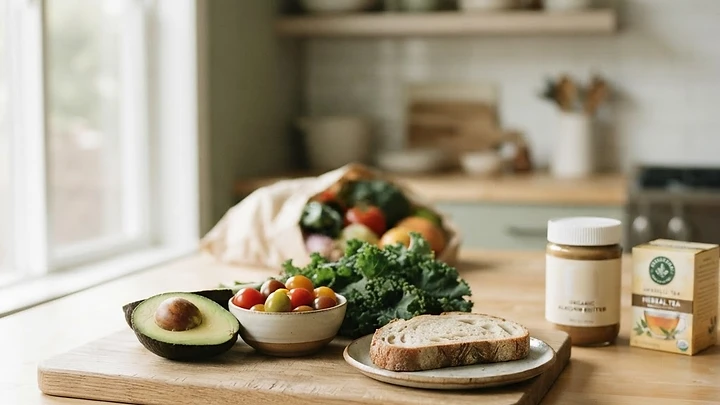
Don't get overwhelmed by long ingredient lists. Learn how to quickly identify ultra-processed foods by looking for these three common red flags.
What Exactly Is Ultra-Processed?
When you scan a barcode with CraveScan, you might notice that some products have incredibly long ingredient lists filled with names you can't pronounce. These are often categorized as ultra-processed foods. Unlike minimally processed items like frozen peas or canned beans, ultra-processed foods are formulations made mostly from substances derived from foods, such as fats, starches, added sugars, and hydrogenated fats, often containing little to no intact whole foods.
Red Flag 1: The Chemistry Set Ingredients
If you see ingredients that sound more like they belong in a laboratory than a kitchen, it is a strong indicator of an ultra-processed product. Look for components like hydrolyzed proteins, high-fructose corn syrup, artificial colors, and emulsifiers like carrageenan or mono- and diglycerides. While regulatory agencies deem these safe, they are often added to modify texture, flavor, and shelf stability rather than to provide nutritional value.
Red Flag 2: Added Sugar Disguises
Sugar goes by many names, and manufacturers often use multiple types in a single product to keep total sugar content from appearing as the first ingredient. Keep an eye out for these terms on your labels:
- Dextrose
- Maltodextrin
- Cane juice crystals
- High-fructose corn syrup
- Fruit juice concentrates
When you see three or four of these grouped together, it suggests the product has been heavily engineered to be hyper-palatable.
Red Flag 3: The Protein-to-Fiber Ratio
A simple trick to gauge the quality of a packaged snack is to look at the fiber and protein content relative to the total calorie count. Highly refined products often strip away fiber to create a smoother texture. If a product is high in carbohydrates but contains zero or negligible amounts of fiber, it is likely highly refined. Whole food snacks, like nuts or legumes, naturally contain a balanced ratio of fiber, healthy fats, and protein.
Practical Tips for Your Next Grocery Run
You don't need to eliminate all processed foods to be healthy, but awareness is your best tool. Here is a simple approach for your next trip:
- Follow the 5-Ingredient Rule: Whenever possible, reach for items with five ingredients or fewer.
- Prioritize Real Food: If an ingredient list reads like a recipe you could make in your own kitchen (e.g., oats, milk, honey, salt), you are likely on the right track.
- Use CraveScan Proactively: Don't just look at the calories. Use the CraveScan ingredient breakdown feature to see which items are flagged for excessive processing so you can make an informed choice quickly while you're standing in the aisle.
Ultimately, label reading isn't about perfection; it’s about making small, consistent shifts toward less refined, more nourishing options for your body.
Scan labels. Discover recipes. Eat better.
Snap a nutrition label for instant health insights, get recipe ideas from what's in your pantry, find healthy restaurants nearby, and plan your meals for the week — all in one app.