Mastering the Serving Size Trap
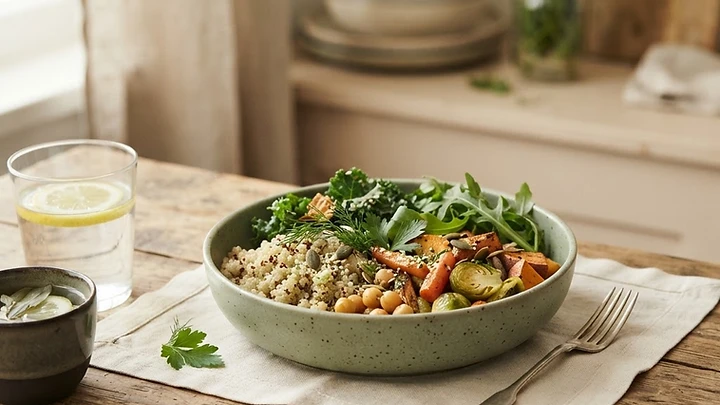
Before you finish that bag of pretzels, check the fine print. Learn how to navigate the world of serving sizes to ensure you are actually eating what you think you are.
The Invisible Math of Your Midday Snack
You find a new protein bar, glance at the label, and see a respectable 150 calories. You eat it, feel satisfied, and move on. But a closer look at the fine print might reveal that the 150-calorie figure only applied to half the bar. Welcome to the serving size trap—one of the most common hurdles in maintaining a balanced diet. It is a subtle nuance that can lead to consuming twice the sugar or sodium you intended without ever realizing it.
Why Serving Sizes Aren't Recommendations
A common misconception is that the serving size listed on a nutrition label is a recommendation of how much you should eat. In reality, these numbers are mandated by the FDA based on Reference Amounts Customarily Consumed (RACC). They are meant to reflect what people typically eat, not what is nutritionally optimal for your specific body. Over the last few years, labels have updated to better reflect modern portions, but discrepancies still exist, especially in multi-serve packages like cereal boxes or bags of nuts where the visual container size does not match a single serving.
The Per-Serving vs. Per-Package Conflict
When you scan a label, your eyes are naturally drawn to the boldest numbers: Calories, Protein, and Sugar. However, these numbers are entirely dependent on the serving size. If a bottle of tea contains 2.5 servings, you have to multiply every single value on that label by 2.5 to understand the impact of drinking the whole thing. For many, this mental gymnastics is the primary reason why healthy choices don't always lead to the expected results. Always check the servings per container line first. It is the key that unlocks the rest of the data. If a bag of chips says it contains three servings and you eat the whole bag, you have just tripled your intake of everything on that list.
How to Use CraveScan to Bridge the Gap
This is where technology simplifies the science. When you use the CraveScan app, the goal isn't just to see the numbers, but to contextualize them. By scanning the barcode, you can often toggle between the standard serving size and the entire package. This transparency helps you decide if that 100-calorie snack pack is actually a 100-calorie commitment or if the math is hiding a higher sugar content than you anticipated. It takes the guesswork out of the equation, allowing you to focus on how you feel rather than performing long division in the grocery aisle.
3 Tips for Smarter Label Reading
- Ignore the front-of-package marketing: Phrases like Low Fat or Natural are often distractions. Flip the package over immediately to see the hard data.
- Compare by weight: If you are comparing two different brands of crackers, look at the weight in grams for the serving size. One brand might look healthier simply because their serving size is significantly smaller by weight.
- Practice visual benchmarking: Learn what a standard serving looks like for common foods. For example, a serving of meat is roughly the size of a deck of cards, and a serving of peanut butter is about the size of a ping-pong ball.
Understanding serving sizes puts the power back in your hands. It transforms a confusing list of numbers into a practical tool for your wellness journey. Next time you reach for a snack, take five seconds to do the math or let CraveScan do it for you.
Scan labels. Discover recipes. Eat better.
Snap a nutrition label for instant health insights, get recipe ideas from what's in your pantry, find healthy restaurants nearby, and plan your meals for the week — all in one app.