Natural Flavors Decoded: What That Vague Ingredient Actually Means
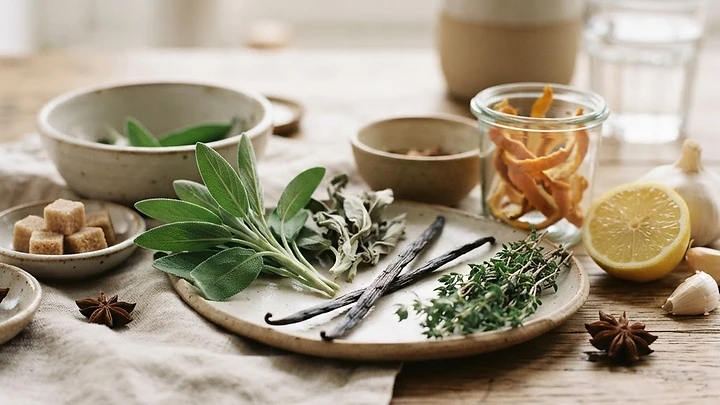
It is the fourth most common ingredient listed on packaged foods, but what are natural flavors really made of? Here is how to read between the lines on your ingredient labels.
Flip over almost any packaged snack, flavored sparkling water, or plant-based yogurt, and you will likely spot a familiar phrase near the bottom of the list: natural flavors. In fact, it is the fourth most frequently cited ingredient on processed food labels today. Despite its ubiquity, few terms generate as much confusion and suspicion among conscious eaters.
The Legal Definition Behind the Label
Under the regulations of the U.S. Food and Drug Administration (FDA), a natural flavor must originate from an edible source found in nature. This includes spices, fruits, vegetables, edible yeast, herbs, bark, buds, roots, leaves, meat, poultry, seafood, or dairy. The key distinction lies in the extraction process: the flavoring components are derived via physical processes like heating, roasting, distilling, or enzymatic fermentation.
In contrast, artificial flavors are synthesized entirely in a chemical laboratory from petroleum or other synthetic precursors, even if their final molecular structure matches a fruit or spice.
Why They Do Not Always Taste Like Simple Fruit
Here is where things get tricky. Just because an ingredient starts in nature does not mean your blueberry muffin flavor came from mashed blueberries. A food scientist—known as a flavorist—might isolate an aroma compound from bark, cloves, or citrus peels that mimics the sensory profile of a fresh berry.
Furthermore, proprietary flavor blends rarely contain just one botanical extract. They often incorporate carrier solvents, emulsifiers, and preservatives to keep the taste shelf-stable and consistent. Up to 80% to 90% of a commercial flavor mixture can consist of these functional supporting ingredients, none of which need to be individually itemized on the nutrition facts panel.
Are Natural Flavors Bad for Your Health?
From a direct toxicological standpoint, natural flavors are rigorously evaluated by the Flavor and Extract Manufacturers Association (FEMA) and the FDA, earning the designation Generally Recognized as Safe (GRAS). They exist in minuscule amounts—usually under 0.5% of the total product weight—making them unlikely to cause direct physical harm.
However, nutrition researchers point out a more subtle concern: sensory manipulation. Highly engineered flavors are designed to hyper-stimulate your palate, delivering an intense burst of taste that plain whole foods rarely match. This can inadvertently elevate your craving threshold, making natural whole foods like raw apples or unsweetened oats taste bland by comparison.
Practical Tips for Your Next Grocery Run
You do not need to avoid natural flavors entirely, but you can shop with more intention. When scanning labels with CraveScan, keep these guidelines in mind:
- Look at the placement: If natural flavor is the sole source of taste in a fruit snack with zero actual fruit listed, you are eating candy disguised as produce.
- Prioritize whole-food flavor: Choose products seasoned with real vanilla beans, fresh mint, ground cinnamon, or pure lemon peel.
- Watch out for hidden allergens: If you have severe food allergies or follow a strict vegan diet, be aware that natural flavors derived from animal or dairy sources do not always need specific disclosure unless they contain one of the major nine FDA allergens.
Scan labels. Discover recipes. Eat better.
Snap a nutrition label for instant health insights, get recipe ideas from what's in your pantry, find healthy restaurants nearby, and plan your meals for the week — all in one app.