Serving Size Secrets: Decoding the Math on Your Label
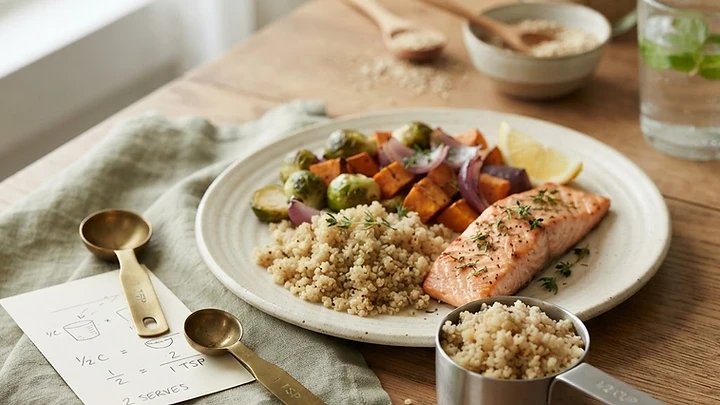
Most of us glance at calories first, but the serving size is the secret multiplier that changes everything. Learn how to master label math for real-world eating.
The Hidden Multiplier
We have all been there: you pick up a bag of trail mix, see '150 calories' in bold print, and feel pretty good about your snack choice. But then you look closer. That 150-calorie figure only applies to a serving size of three tablespoons. By the time you have finished the bag, you have actually consumed four servings—and 600 calories. This is the 'hidden multiplier' of nutrition labels, and it is the single most important thing to check before you look at any other number.
Serving Size vs. Portion Size
One of the biggest misconceptions in nutrition is that a serving size is a recommendation of how much you should eat. In reality, a serving size is simply a standardized unit of measure used to report the nutrients contained in the food. A portion size, on the other hand, is the amount you actually put on your plate or eat out of the bag.
Understanding this distinction is vital. The FDA recently updated labeling laws to make serving sizes more realistic—moving the serving size for ice cream from a half-cup to two-thirds of a cup, for example—but these numbers still might not align with your personal hunger levels or health goals. The label provides the data, but you provide the context.
Spotting the 'Single-Serve' Trap
Manufacturers often use clever formatting that can lead to 'health halos' around processed foods. When reading a label, look for these three red flags:
- The Multi-Serving Can: Many 16-ounce cans of soup or soda actually contain two servings. If you drink the whole thing, you have to double every number on the back.
- Tiny Measurements: Be wary of serving sizes listed in grams or tablespoons for foods usually eaten by the bowlful, such as cereal or granola.
- Dual-Column Labels: Some products now show two columns—one for 'per serving' and one for 'per package.' Always check which column you are looking at before tracking your intake.
How to Use This Data Effectively
You do not need a calculator to eat healthy, but a little awareness goes a long way. Start by pouring out what you think is a normal portion of your favorite snack, then compare it to the serving size on the bag. This visual calibration helps you understand if you are naturally eating one, two, or three servings at a time.
The CraveScan Advantage
This is where technology makes life easier. Instead of doing mental math in the grocery aisle, scanning a product allows you to see the nutrient density immediately. By understanding the serving size first, you can make an informed choice about whether that snack fits into your day or if you should look for a more satiating alternative. Remember, the goal isn't to eat less, but to eat with more clarity.
Scan labels. Discover recipes. Eat better.
Snap a nutrition label for instant health insights, get recipe ideas from what's in your pantry, find healthy restaurants nearby, and plan your meals for the week — all in one app.