What's Really in Your Breakfast Cereal?
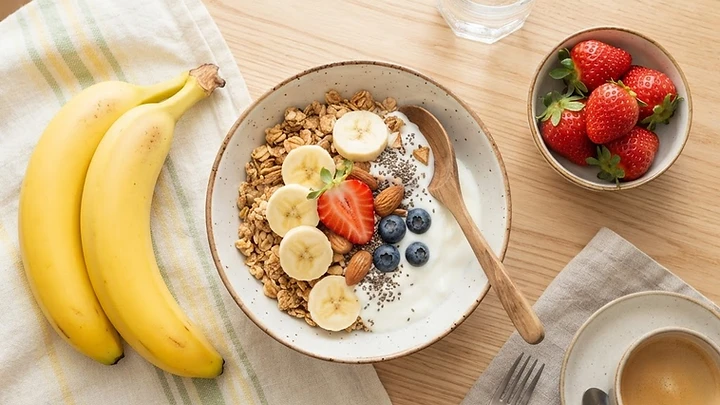
In the US, more than a quarter of children and adolescents have ready-to-eat cereal for breakfast most days of the week. Advertising touts cereal as a healthy choice, but a recent study disputes this.
In the US, more than a quarter of children and adolescents have ready-to-eat cereal for breakfast most days of the week. Advertising touts cereal as a healthy choice, but a recent study disputes this.
The Study at a Glance
Researchers analyzed the nutritional profiles of hundreds of popular breakfast cereals marketed to children and families. They examined sugar content, fiber, whole grains, and the health claims printed on the front of the box. The findings were striking: the cereals that carried the loudest "healthy" messaging were often among the highest in added sugar and the lowest in fiber.
Sugar: The Quiet Concern
Many cereals marketed as "wholesome" or "part of a balanced breakfast" contain double-digit grams of added sugar per serving — and most people pour more than the suggested serving size. Starting the day with a sugar spike can lead to a mid-morning crash, affecting focus and energy, especially in kids.
- Aim for cereals with less than 6g of added sugar per serving.
- Watch out for multiple sugar aliases in the ingredients list (cane syrup, honey, agave, dextrose).
- "Frosted" or "honey" varieties almost always push sugar higher.
Fiber: The Missing Ingredient
Fiber is one of the best indicators of a cereal's true nutritional quality. It slows sugar absorption, keeps you full longer, and supports gut health. Yet many leading cereals deliver less than 2g of fiber per bowl. A genuinely healthy cereal should offer at least 3–5g of fiber per serving, ideally from whole grains like oats, bran, or whole wheat.
Reading the Label, Not the Box
The front of a cereal box is advertising; the side panel is the truth. To judge a cereal quickly:
- Check the sugar — under 6g per serving is a good target.
- Check the fiber — look for 3g or more.
- Check the first ingredient — it should be a whole grain, not refined flour or sugar.
- Check for protein — cereals with added protein or nuts help balance the meal.
Simple Swaps for a Better Bowl
You don't have to give up cereal to eat well. Small changes make a big difference:
- Choose unsweetened oats and add fresh fruit for natural sweetness.
- Top your bowl with a tablespoon of nuts or seeds for healthy fats and protein.
- Use milk (or a fortified plant milk) to add protein and calcium.
- Measure your serving — most bowls hold two to three times the label portion.
The Bottom Line
Breakfast cereal can absolutely be part of a healthy diet, but marketing claims aren't a reliable guide. By flipping the box and reading the Nutrition Facts panel, you can quickly separate the genuinely nutritious options from the sugar-laden imposters. A few seconds of label reading each morning is all it takes to start your day — and your child's day — on steadier ground.
Scan labels. Discover recipes. Eat better.
Snap a nutrition label for instant health insights, get recipe ideas from what's in your pantry, find healthy restaurants nearby, and plan your meals for the week — all in one app.