Why Ingredient Order Matters More Than Calorie Counts
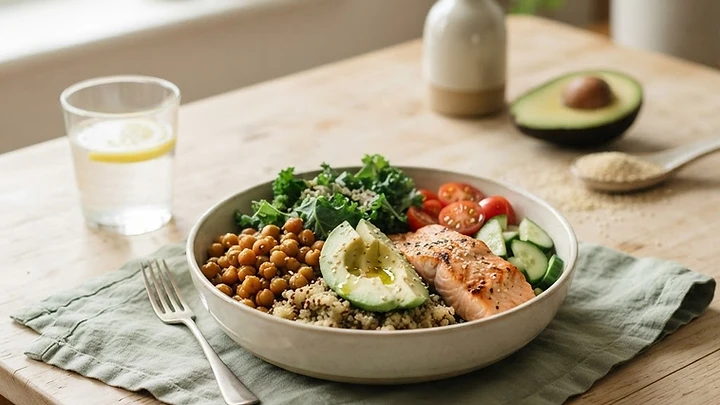
Stop obsessing over the calorie count and start looking at the order of ingredients. Learn how the first three items on a label reveal the truth about your food quality.
Beyond the Big Numbers
When most of us flip over a package in the grocery store aisle, our eyes instinctively dart to the calorie count, the grams of fat, or the bolded carbohydrate totals. While these numbers provide a helpful snapshot of energy density, they often fail to tell the complete story of what you are actually consuming. Labels are frequently designed by marketing teams to highlight specific health metrics while distracting from the quality of the raw materials inside. At CraveScan, we believe that understanding the DNA of your food—the ingredient list—is the most vital step toward long-term wellness.
The Weight Rule: How Lists are Organized
The most important thing to know about an ingredient list is that it is not random. Federal regulations require food manufacturers to list ingredients in descending order by weight. This means the ingredient that weighs the most goes first, and the one that weighs the least goes last. This simple regulatory requirement is your most powerful tool for debunking misleading health claims. If a box of crackers is marketed as Made with Real Honey but honey appears as the very last item after salt and leavening agents, you know that the honey is present in trace amounts only. To get the most nutritional value, you want to see whole, recognizable foods occupying the top spots.
The First Three Strategy
A quick and effective way to scan any label is to focus exclusively on the first three ingredients. These typically make up the vast majority of the product's volume. If any form of added sugar, highly refined oil (such as palm, soybean, or cottonseed oil), or enriched grains appear in these top three slots, the product should be categorized as ultra-processed. Ideally, you want to see whole foods—like oats, chickpeas, nuts, or specific cuts of meat—leading the pack. If the first three ingredients sound more like a chemistry experiment than a recipe, your body will likely treat them as such, which can lead to rapid blood sugar spikes and systemic inflammation.
Beware of Ingredient Splitting
Savvy manufacturers often use a tactic called ingredient splitting to make their products appear healthier than they are. By using four different types of sweeteners—such as cane sugar, high fructose corn syrup, maltodextrin, and brown rice syrup—they ensure that no single type of sugar is heavy enough to be the first ingredient. However, if you were to group all these sweeteners together, sugar would likely be the primary component of the product. When scanning, look for words ending in -ose or terms like syrup, concentrate, and nectar scattered throughout the list. If you see three or more of these aliases, the product is essentially a dessert in disguise.
Practical Scanning Tips for the Aisle
- Check the Length: As a general rule of thumb, shorter ingredient lists indicate less industrial processing and fewer additives.
- Identify the Fats: Look for stable, heart-healthy fats like olive oil or avocado oil rather than hydrogenated or partially hydrogenated oils which contain trans fats.
- Question the Flavors: The term Natural Flavors is a broad legal category that can include hundreds of lab-created chemicals. The fewer flavors listed, the closer the product is to its natural state.
- Watch for Sodium: Ingredients like sodium benzoate or monosodium glutamate (MSG) add significant salt content without appearing as table salt.
By shifting your focus from the calorie box to the ingredient list, you reclaim control over your nutrition and avoid the traps of clever food marketing. The next time you use CraveScan, take a moment to peek at those first three ingredients—it is the fastest way to become a truly informed consumer and fuel your body with the quality it deserves.
Scan labels. Discover recipes. Eat better.
Snap a nutrition label for instant health insights, get recipe ideas from what's in your pantry, find healthy restaurants nearby, and plan your meals for the week — all in one app.